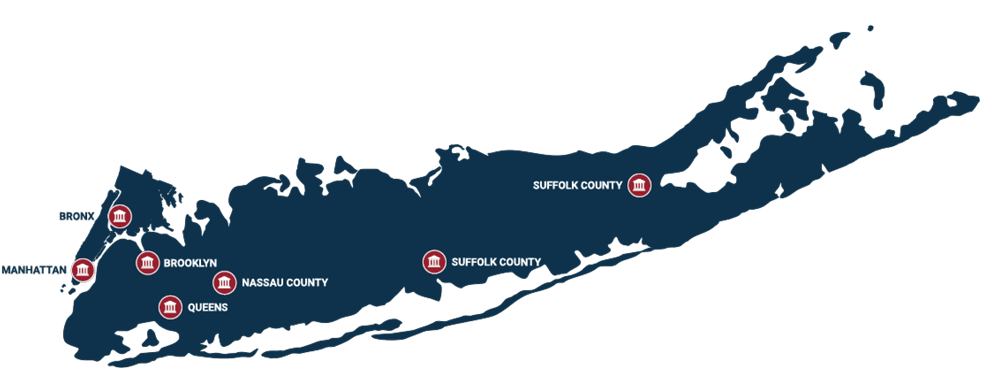
NAVIGATING COMMERCIAL LITIGATION IN FEDERAL COURT
If you are initiating a commercial lawsuit or have been named as a defendant in a federal case, it is crucial to understand the specific rules that govern federal court proceedings. These rules can determine whether a court has the authority to hear your case at all.
Federal Courts Have Limited Jurisdiction
While many commercial disputes can be filed in state or federal court, the two systems operate differently. State courts are typically courts of “general jurisdiction,” meaning they can hear a wide variety of cases. In contrast, federal courts are courts of “limited jurisdiction” and may only hear cases for which they are specifically authorized.
For a federal court to preside over a dispute, it must have jurisdiction over both:
- The Subject Matter: The nature of the legal claims.
- The Parties: The individuals or entities involved in the lawsuit.
Subject-Matter Jurisdiction: Can the Court Hear This Type of Case?
Subject-matter jurisdiction concerns the court’s authority over the central legal issue of a lawsuit. The party bringing the case to federal court carries the burden of proving that jurisdiction is proper. If it cannot be established, the court is obligated to dismiss the case.
The two primary bases for federal subject-matter jurisdiction are:
- Federal Question Jurisdiction: This applies to cases that arise under federal law, the U.S. Constitution, or U.S. treaties. It provides a federal forum for disputes involving significant federal issues.
- Diversity Jurisdiction: This applies when the case is between citizens of different states (or a U.S. citizen and a foreign citizen) and the amount in controversy exceeds $75,000. This jurisdiction is based on the identity of the parties, not the nature of the legal claim.
Additionally, the doctrine of supplemental jurisdiction may allow a federal court to hear related state-law claims that are part of the same overall dispute as a federal claim.
Personal Jurisdiction: Does the Court Have Power Over the Defendant?
Personal jurisdiction is the court’s authority over a defendant. For a court to exercise this power, two conditions must be met:
- Sufficient Connection with the Forum: The defendant must have “minimum contacts” or a sufficient relationship with the state where the court is located. This ensures that it is fair to require the defendant to appear and defend the lawsuit in that location.
- Proper Service of Process: The defendant must be formally notified of the lawsuit according to the specific legal rules governing service.
A Key Strategic Defense: The Motion to Dismiss
Given these strict jurisdictional requirements, filing a motion to dismiss is often a viable and powerful early-stage strategy for Defendants in a federal court lawsuit. Under Federal Rule of Civil Procedure 12(b), a defendant can ask the court to dismiss a lawsuit based on fundamental deficiencies in the plaintiff’s complaint, potentially avoiding the time and expense of discovery and trial.
Common grounds for a motion to dismiss include:
- Lack of subject-matter jurisdiction
- Lack of personal jurisdiction
- Improper venue (the case was filed in the wrong federal district)
- Failure to state a claim upon which relief can be granted (the complaint, even if true, does not allege a valid legal claim)
In commercial litigation, a case may also be dismissed if a contract between the parties contains a forum-selection clause requiring disputes to be heard elsewhere or an arbitration clause mandating that the dispute be resolved outside of court. A successful motion to dismiss can resolve a case efficiently, saving the significant costs associated with drafting an answer and engaging in litigation.
Navigating the procedural complexities of federal court requires a strategic approach from the outset. A thorough analysis of these jurisdictional issues is a critical first step toward achieving a favorable outcome. If you are considering filing or are defending a commercial lawsuit in federal court, we can help you assess your options and develop a comprehensive legal strategy.