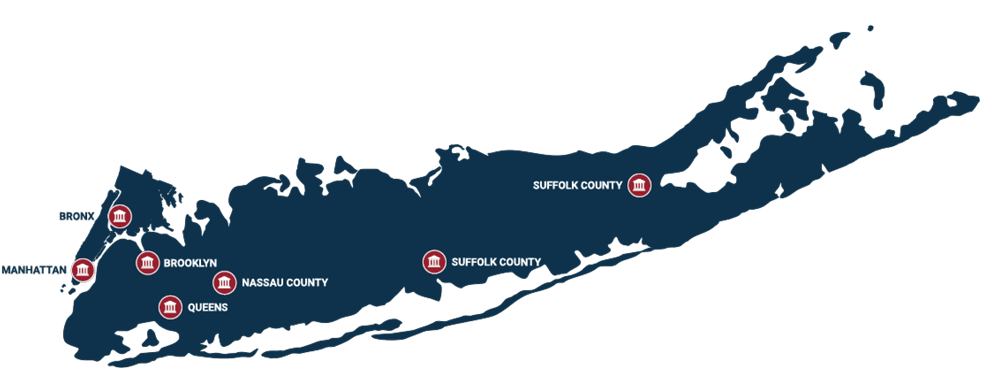
LONG ISLAND ARBITRATION LAWYERS
What is Arbitration?
Arbitration is a form of private dispute resolution which is often governed by a private organization that maintains lists of available arbitrators and provides rules under which the arbitration will be conducted. It is often governed by a private organization that maintains lists of available arbitrators and provides rules under which the arbitration will be conducted. Some examples of private arbitration organizations include:
– The American Arbitration Association (“AAA”)
– Judicial Arbitration and Mediation Services (“JAMS”)
– National Mediation and Arbitration (“NAM”)
– International Chamber of Commerce (“ICC”)
– Financial Industry Regulatory Authority (“FINRA”)
How the Arbitration Process Works
Typically, arbitration is the result of a pre-dispute contract entered into between parties wherein they agreed that if a dispute should arise, it would not go to a traditional court, but will be decided in a private arbitration forum.
Is Arbitration Binding?
Yes. Arbitration is nonetheless a binding adjudicatory process because the arbitrator (sometimes a retired judge, or a seasoned attorney) renders a decision at the conclusion of an arbitration hearing. In general, the arbitrator is an impartial person chosen by the parties. The arbitrator reads briefs and documentary evidence, hears testimony, examines evidence, and renders an opinion after a hearing. Thereafter, once the arbitration award is confirmed by a court, the award will be entered as a judgment. The arbitration decision is final and binding, and subject to very, very limited court review.
One of the hallmarks of arbitration (as compared to litigation in court) is that the formal discovery process (such as document exchange, depositions, and the like) is often truncated during an arbitration compared to court litigation. Each arbitration forum has distinct rules concerning the scope and extent of pre-hearing litigation.
Frequently Asked Questions About Arbitration
Q: Why choose arbitration over traditional litigation?
A: Parties often choose arbitration because it is generally faster, more private, and allows for more flexibility than traditional court litigation. It also allows parties to select an arbitrator with specific subject-matter expertise.
Q: Can an arbitration decision be appealed?
A: Generally, no. Arbitration awards are final and binding. Courts typically only overturn awards in very limited circumstances, such as proof of corruption, fraud, or significant procedural misconduct by the arbitrator.
Q: Do I need a lawyer for arbitration?
A: While not strictly required, having an experienced arbitration lawyer is highly recommended. Because the decision is binding and final, having legal counsel to present evidence, cross-examine witnesses, and navigate forum rules is critical to a favorable outcome.
Contact Our Arbitration Attorneys
If you are involved in a private dispute and need expert legal counsel to guide you through the process, please contact our Long Island-based business lawyers today.